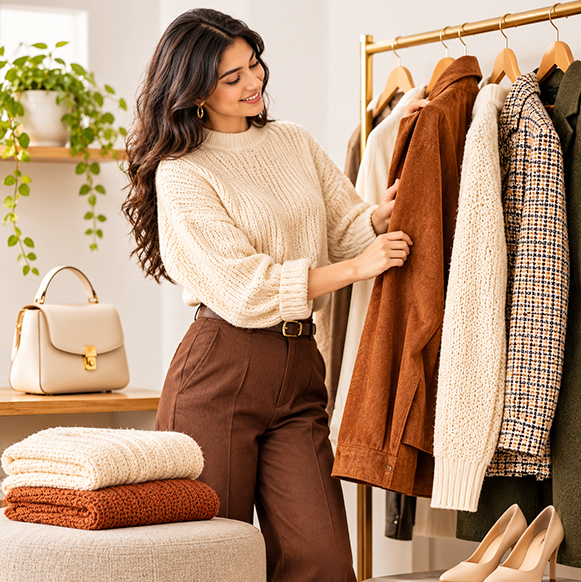
The Art Of Building A Wardrobe Around Texture
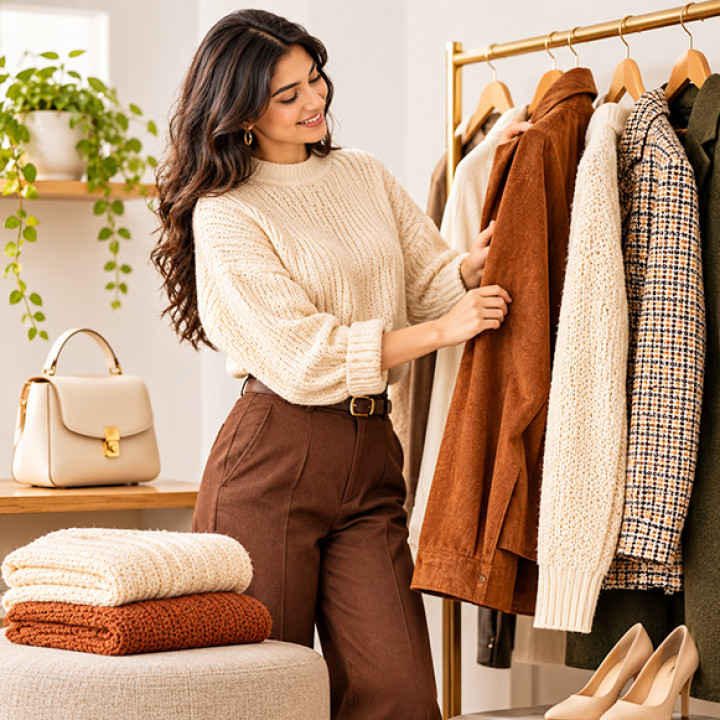
A wardrobe can become visually interesting without relying on loud patterns, dramatic colours, or constantly changing trends. One of the most effective ways to create depth is through texture. Texture gives clothing a sensory quality that can quietly transform an outfit, making simple combinations appear richer, more intentional, and more expressive.
When different fabrics are brought together thoughtfully, they create contrast that the eye naturally notices. Smooth surfaces can sit beautifully beside brushed finishes. Crisp materials can balance softer ones. Subtle differences in surface, weight, and movement can give even a restrained colour palette considerably more character.
Building around texture begins with understanding that clothing is experienced visually as well as physically. A fabric may appear fluid, structured, soft, dry, polished, dense, airy, or slightly rugged. These qualities influence the atmosphere of an outfit before colour or pattern even enters the conversation.
Start With A Textural Foundation
Every wardrobe benefits from dependable foundation pieces. Rather than beginning with highly distinctive fabrics, consider starting with materials that are easy to combine. Smooth cotton, refined knits, lightweight woven fabrics, and cleanly finished materials can provide an adaptable base for numerous combinations.
The purpose is not to make every piece dramatically different. Instead, a foundation should create enough variation to prevent an outfit from appearing flat. Subtle textural differences can accomplish this without making the overall appearance feel complicated.
A simple combination of two similar tones can become far more interesting when their surfaces contrast. One material may have a smooth finish while another introduces softness or gentle structure. The colours remain harmonious, yet the textures create separation.
Learn To Notice Surface Contrast
Texture works particularly well when contrasting surfaces are placed together. Think about the visual relationship between something sleek and something softly brushed, or between a crisp woven fabric and a fluid material.
These contrasts create a quiet sense of dimension.
The key is moderation. Too many competing surfaces can make an outfit feel visually crowded. When several pieces are strongly textured, the eye has fewer areas in which to rest. A better approach is to allow one or two materials to provide the primary visual interest while surrounding them with quieter fabrics.
This creates hierarchy without requiring dramatic styling.
Explore Texture Through Colour
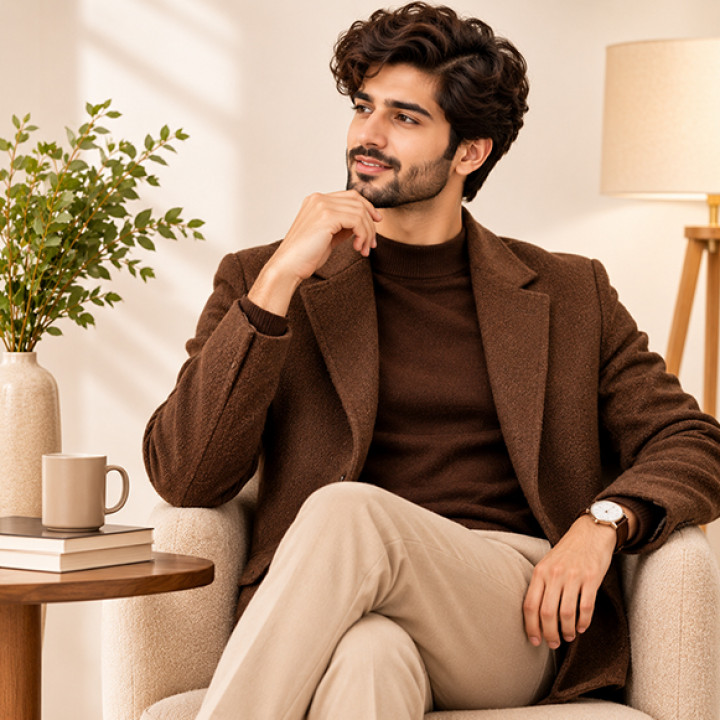
Texture and colour influence each other more than many people realise. A deep shade on a soft, brushed surface can feel completely different from the same shade appearing on a smooth, finely finished fabric.
This makes texture particularly useful when working with restrained colours.
A monochromatic outfit does not have to look repetitive. Different materials can introduce enough variation to make similar tones feel distinct. A smooth surface may reflect light differently from a matte one, creating subtle changes throughout the outfit.
This approach can produce an elegant result while keeping the colour story cohesive.
Consider Fabric Weight
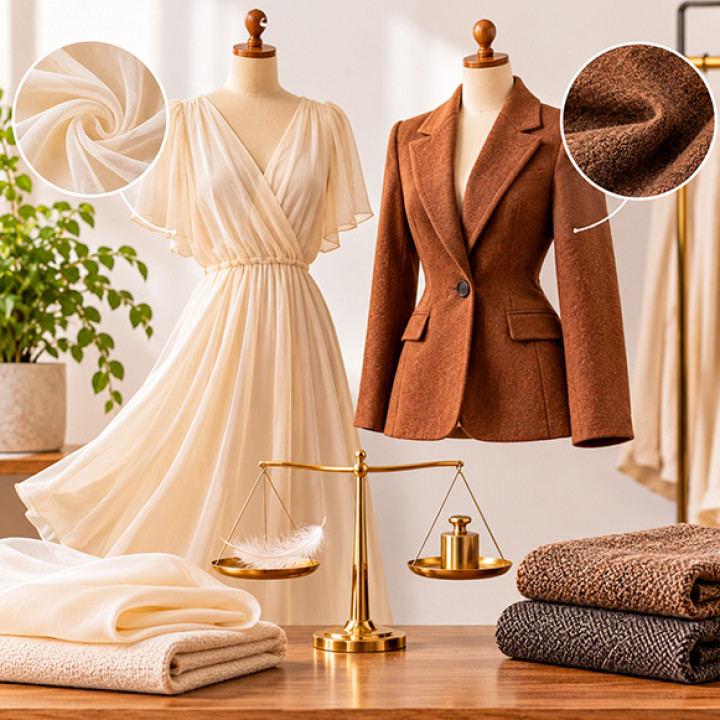
Texture is not limited to what the surface looks like. Fabric weight also contributes significantly to how an outfit appears and moves.
Lighter materials can introduce fluidity and movement, while denser fabrics often provide structure and presence. Combining these characteristics can create balance.
For example, a structured outer layer can provide definition while a softer inner piece introduces movement. The contrast gives the outfit visual depth while allowing each material to perform a different role.
Understanding this relationship makes choosing clothing considerably more intuitive.
Build Seasonal Depth
Texture can also help a wardrobe feel appropriate across changing conditions. Lighter woven fabrics can create an airy appearance, while knitted and denser materials introduce warmth and visual richness when desired.
Rather than completely changing the character of a wardrobe, consider gradually shifting the textures within it. This allows familiar colours and silhouettes to remain useful while different materials create a fresh atmosphere.
A wardrobe built this way can feel cohesive without becoming predictable.
Mix Subtle And Pronounced Textures
Not every textured fabric needs to announce itself immediately. Some of the most effective combinations rely on extremely subtle differences.
A lightly ribbed surface, fine knit structure, gentle weave, or softly brushed finish can create visual interest without becoming the central focus. These understated details become especially noticeable when placed beside smoother materials.
More pronounced textures can certainly have a place, but they work best when given room to stand apart.
Think About Movement
Texture becomes especially compelling when clothing moves. A fluid fabric can catch light differently as it shifts, while a structured material may maintain a defined shape throughout the day.
This movement creates another dimension beyond colour and surface. It means an outfit can look slightly different while walking, sitting, turning, or interacting with its surroundings.
Considering movement when selecting clothing helps create combinations that feel natural rather than overly constructed.
Let Texture Shape Personal Style
There is no single formula for combining textures. Some people naturally gravitate toward smooth, polished fabrics, while others prefer tactile surfaces with visible structure. Some enjoy strong contrasts, whereas others prefer subtle variations that reveal themselves gradually.
The most successful wardrobe is therefore not necessarily the one containing the greatest variety. It is the one where the textures feel connected to the way you want to present yourself.
Texture gives clothing another language. It can communicate softness, structure, restraint, confidence, warmth, or sophistication without relying on obvious statements.
Building a wardrobe around texture ultimately means learning to notice these quieter qualities. Look beyond colour and silhouette. Pay attention to how fabrics appear together, how they respond to light, how they move, and how their surfaces interact.
Once you begin seeing clothing through texture, even familiar combinations can feel completely different. A restrained wardrobe can gain remarkable depth simply through thoughtful material choices, creating outfits that feel considered, expressive, and naturally distinctive.
A wardrobe can become visually interesting without relying on loud patterns, dramatic colours, or constantly changing trends. One of the most effective ways to create depth is through texture. Texture gives clothing a sensory quality that can quietly transform an outfit, making simple combinations appear richer, more intentional, and more expressive.
When different fabrics are brought together thoughtfully, they create contrast that the eye naturally notices. Smooth surfaces can sit beautifully beside brushed finishes. Crisp materials can balance softer ones. Subtle differences in surface, weight, and movement can give even a restrained colour palette considerably more character.
Building around texture begins with understanding that clothing is experienced visually as well as physically. A fabric may appear fluid, structured, soft, dry, polished, dense, airy, or slightly rugged. These qualities influence the atmosphere of an outfit before colour or pattern even ente