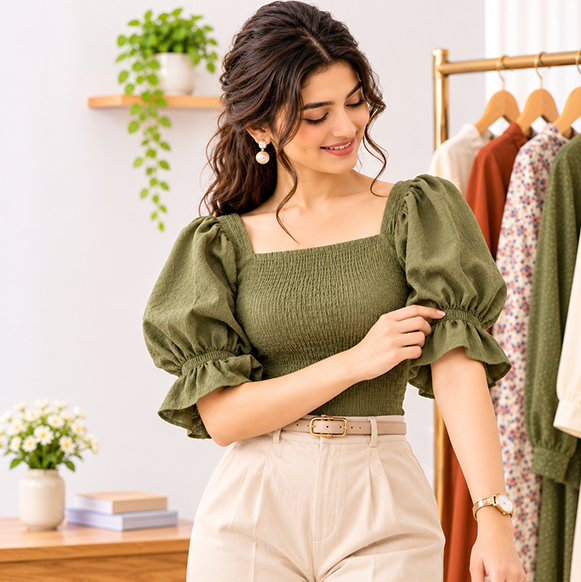
The Quiet Influence Of Sleeve Shapes On Personal Style
When considering clothing, attention often goes toward colour, fabric, neckline, or overall silhouette. Sleeves, however, quietly influence how a garment looks and feels. Their length, width, structure, and movement can alter proportions, create visual rhythm, and change the character of an outfit without demanding attention.
A subtle adjustment to a sleeve can make a familiar garment appear relaxed, refined, structured, expressive, or fluid. Understanding these details opens another way to approach personal style, particularly when building combinations that feel balanced and intentional.
Why Sleeves Matter
Sleeves occupy a significant visual area of any garment. They frame the arms, influence the outline of the upper body, and interact with the rest of the silhouette.
A narrow sleeve can create a cleaner appearance, while a fuller sleeve introduces movement and softness. A sharply constructed sleeve can reinforce a polished impression, whereas a relaxed shape may make the same garment feel more casual.
These differences demonstrate why two garments with similar colours and fabrics can still communicate completely different moods.
The Language Of Sleeve Length
Length is one of the simplest ways sleeves influence an outfit. Shorter sleeves can create an open, relaxed appearance, particularly when paired with fluid fabrics or uncomplicated silhouettes.
Longer sleeves generally create greater visual continuity. They can make a garment feel more composed and provide additional structure around the arms.
Between these two extremes, three-quarter and other intermediate lengths can introduce a distinct character. They expose part of the arm while retaining enough coverage to create a considered outline.
The ideal choice depends on the garment, fabric, occasion, and overall proportions rather than following one universal formula.
Full Sleeves And Visual Movement
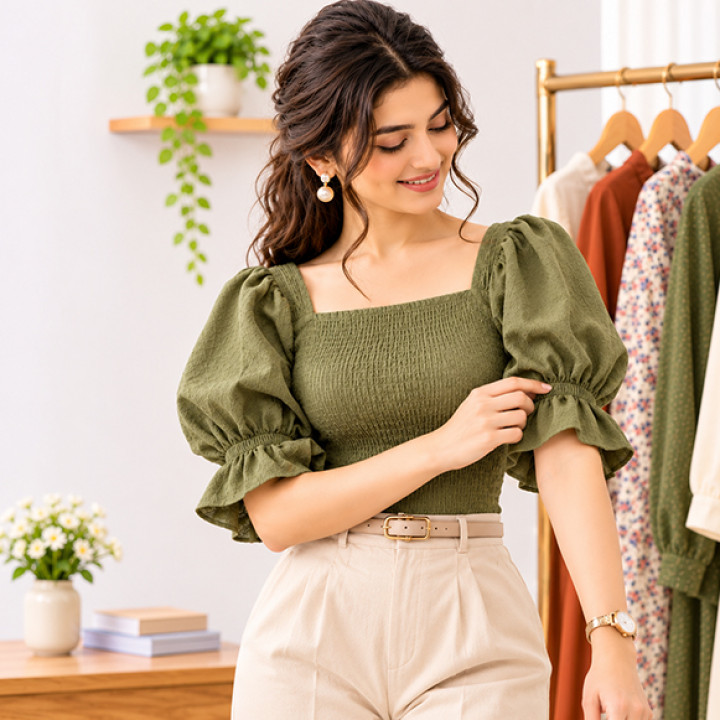
Fuller sleeves can introduce movement into an outfit. When the fabric responds naturally while walking or reaching, the sleeve becomes an active part of the silhouette.
This effect can be especially appealing with lightweight materials. Their natural flow creates softness without requiring elaborate patterns or dramatic colour combinations.
Fuller sleeves can also provide contrast when paired with a more defined lower silhouette. The difference creates visual balance, allowing one area to carry movement while another maintains structure.
The result can feel expressive while remaining remarkably refined.
Structured Sleeves Create Definition
Some sleeves are designed to maintain a distinct shape. Their construction can create cleaner lines around the shoulders and arms, giving a garment a more defined presence.
Structured sleeves often work particularly well when the rest of the outfit follows a similarly polished direction. Clean lines throughout the combination can create a composed appearance.
However, structure does not always require formality. A sharply shaped sleeve can also bring character to a relaxed outfit, especially when balanced with softer fabrics elsewhere.
The Shoulder Connection
Sleeves do not exist separately from the shoulders. Their construction determines how the upper portion of a garment appears.
A sleeve that follows the natural shoulder line can create an understated silhouette. A more defined shoulder treatment can introduce stronger geometry, changing the entire visual balance of the garment.
This relationship becomes especially noticeable when layering clothing. The shape of the sleeve and shoulder can determine whether the combination feels smooth and cohesive or visually crowded.
Considering these elements together can make layering decisions much easier.
Sleeve Width Changes Proportion
Width can dramatically affect how a garment is perceived. Narrower sleeves tend to create a streamlined outline, while wider sleeves introduce greater visual volume.
Neither approach is inherently better. Their effectiveness depends on the surrounding silhouette.
A fuller sleeve can work beautifully with a simpler lower half because it gives the upper portion greater presence. Conversely, a narrower sleeve can complement a more expressive silhouette elsewhere, preventing the overall appearance from becoming visually heavy.
The principle is balance rather than uniformity.
Cuffs And Finishing Details
The end of a sleeve can also influence its character. A clean, narrow cuff creates a crisp conclusion, while a wider or more relaxed finish can make the garment appear softer.
Small construction details can therefore have an unexpectedly strong effect. Even when they are not immediately noticed, they contribute to how polished or relaxed a garment feels.
This is particularly important with minimalist clothing, where subtle construction choices often become the main source of visual interest.
Sleeves And Fabric Behaviour
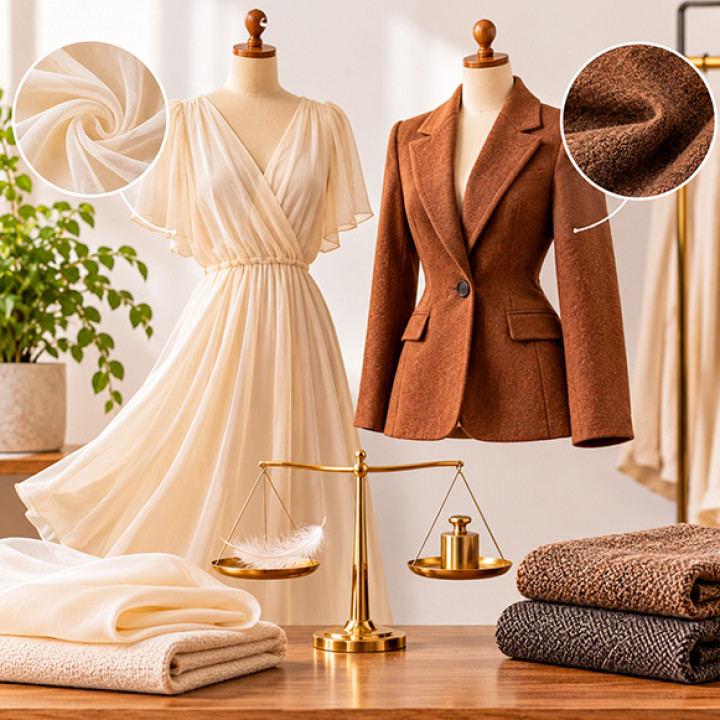
Fabric and sleeve shape should always be considered together. A fluid material can soften a fuller sleeve, allowing it to move naturally. A firmer fabric may give the same shape considerably more definition.
Likewise, a narrow sleeve made from a flexible material can appear more relaxed than a similarly shaped sleeve created from a structured fabric.
This interaction demonstrates why silhouette cannot be separated from material. The same design can communicate entirely different qualities depending on what it is made from.
Finding Shapes That Feel Natural
Personal style becomes stronger when clothing works with your natural preferences rather than against them. Some people gravitate toward clean, defined sleeves, while others prefer flowing shapes that introduce movement.
Experimenting with different silhouettes can reveal which proportions feel most natural. Trying a new sleeve shape does not require changing an entire wardrobe. A single garment can provide an opportunity to explore a different visual direction.
Over time, these discoveries can make clothing choices more instinctive.
Letting Small Details Speak
The beauty of sleeve design lies in its subtlety. It rarely needs to become the focal point of an outfit. Instead, it quietly influences everything around it.
A slightly different length can change the openness of a silhouette. A fuller shape can introduce movement. A structured construction can sharpen the overall appearance. A carefully finished cuff can bring visual precision.
These details may seem minor individually, yet together they contribute significantly to personal style.
Ultimately, sleeves demonstrate how clothing communicates through proportion, movement, structure, and restraint. They remind us that style does not always come from dramatic statements. Sometimes, it emerges through carefully considered details that quietly shape the way an outfit looks and feels.
By paying closer attention to sleeve shapes, you can begin to understand clothing on a more nuanced level. What initially appears to be a simple design feature becomes another tool for expressing personality, creating balance, and developing a wardrobe that feels distinctly your own.